
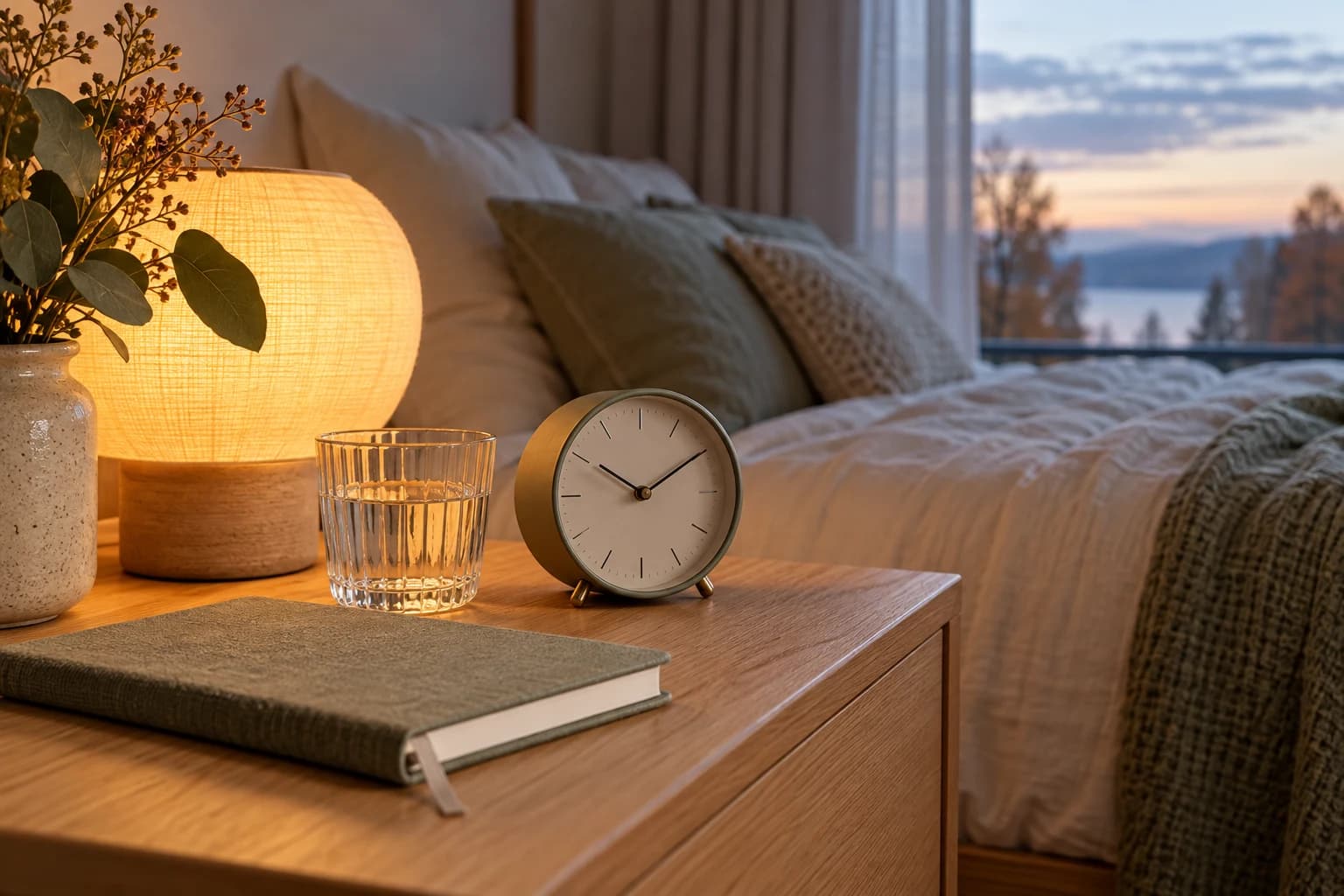
An extra clock hour is not automatically extra sleep
When clocks move back, the night contains an extra hour on the local clock. That does not guarantee an extra hour asleep or an immediate improvement in recovery. Your routine, light exposure and opportunity to rest still matter. With November 1 approaching, a useful first step is to check whether your location changes time at all. This year's answer is different for much of British Columbia. Once that is clear, you can review sleep, workouts and appointments without turning one unusual night into a verdict on your health.
Where clocks change on November 1, 2026
NIST lists the US daylight saving period as ending Sunday, November 1, at 2 a.m. local time in places that observe it. Clocks move back to 1 a.m.; some jurisdictions do not observe the seasonal change. Most of British Columbia, including Vancouver, will keep its clocks unchanged as it completes its move to permanent UTC−7 time. Regional arrangements differ, so check the official guidance for your community and destination. Advice to fall back is not a universal instruction for every reader in Canada or the United States.
Why changing the clock can affect sleep
The circadian system helps organize the timing of sleep and wakefulness, with light providing an important signal. A change in civil time does not instantly reset that system. Ohio State sleep guidance describes the autumn shift as generally easier than the spring advance, while still encouraging attention to regular routines and light exposure. The American Academy of Sleep Medicine's 2020 position statement favors permanent standard time because of its alignment with circadian biology. That is a professional assessment of time policy, not a new trial promising a particular benefit from this Sunday's extra hour.
Keep the practical sleep basics visible
Ohio State recommends consistent bed, wake and meal times, a cool, dark, quiet bedroom, and attention to natural light after waking. Those basics are more useful than treating the clock change as permission to sacrifice sleep beforehand. As a planning exercise, check what actually constrains your weekend: an early shift, a child's routine, a journey or a late event. Preserve enough opportunity to rest around those commitments. You do not need to reproduce someone else's adjustment schedule, and readers whose clocks stay unchanged do not need to shift bedtime just because neighboring regions do.
Check the workout appointment as well as the alarm
A recurring class or remote coaching appointment can become confusing when two locations follow different time rules. As a simple example, a 9 a.m. Seattle appointment on November 1 corresponds to 10 a.m. in Vancouver, once Seattle has returned to UTC−8 and Vancouver remains at UTC−7. Confirm the organizer's location and the displayed local time rather than relying on last week's difference. For your own training, consider the time needed to travel, prepare and rest. A calendar adjustment is an organizational decision, not a scientifically optimized recovery prescription.
Read the sleep interval before judging the score
On a fall-back night, the same local clock label can occur twice. Subtracting displayed start and end times without their time-zone information can therefore misrepresent elapsed time. That does not mean every wearable record is wrong; it means the interval deserves a closer look. Check the source, dates, time in bed and estimated time asleep before interpreting an unusual total. Do not manually add an hour to a record that already accounts for the transition. A longer interval is also different from evidence that sleep stages or recovery improved.
B.C. readers should also check device and calendar settings
UBC IT's October guidance warns that older time-zone settings and existing calendar events can show appointments an hour off after November 1. Its advice includes updating devices and checking the appropriate local time zone. For an everyday routine, inspect the next scheduled event and a familiar alarm rather than assume that every app has handled the policy change identically. Follow the relevant device or calendar provider's instructions if something is wrong. This is a reason to verify the displayed schedule, not a claim that Connefi or any particular wearable has a confirmed time-zone defect.
Where Connefi fits
Connefi can keep recurring plans, workout history and supported connected sleep records in the same routine. Sleep details depend on your platform, permissions and the records supplied by the source; Connefi is not an independent overnight recorder. PERI can use selected relevant context to propose supported adjustments for review. These features do not certify that every alarm or imported interval handles a time-zone change correctly, diagnose a sleep disorder or guarantee better recovery. If a record or reminder looks wrong, check its source and timing before using it to change the plan.
Review the weekend without chasing a perfect night
A useful Friday check is straightforward: confirm your local time rule, review the next important appointment, and leave a realistic opportunity for sleep. After the weekend, compare several nights and their circumstances rather than make a large training change from one score. If sleep problems persist or daytime sleepiness affects safety, seek appropriate care instead of treating the calendar as a complete explanation. The aim is an understandable routine that still works when clocks, daylight and cross-border schedules do not all change together.
Research & sources
Research provides context; it does not validate Connefi’s exact scores or establish individual outcomes.
- NIST · Daylight Saving Time Rules and 2026 transition dates ↗
- Province of British Columbia · Permanent daylight saving time ↗
- Ohio State Wexner Medical Center · Sleep and the daylight saving transition (August 21, 2026) ↗
- Journal of Clinical Sleep Medicine · AASM daylight saving time position statement (2020) ↗
- UBC IT · B.C. time-zone change, calendars and devices (updated October 23, 2026) ↗
- Connefi · Connected health and sleep ↗
- Connefi · Plan and schedule ↗