
A specific fiber and a specific condition
A trial of the prebiotic fiber inulin reported a reduction in knee osteoarthritis pain compared with placebo over six weeks. That is a finding about a defined intervention in people with a particular diagnosis. It does not show that any fiber supplement treats any joint pain. October 27 coverage has brought the research back into view; the Nutrients paper was published February 24, 2026. Keep those dates and the intervention separate from the broader appeal of a simple nutritional solution.
What the trial compared
The study used four groups: inulin, digital physiotherapy-supported exercise, their combination and a maltodextrin placebo comparison. The report describes 136 randomized participants and 117 completers. The tested inulin dose was 20 g/day for six weeks, a research detail rather than personal dosing advice. Compared with placebo, adjusted pain-score differences were about −1.11 points for inulin and −1.55 for exercise. Inulin also improved grip strength and some pain-sensitivity measures, while exercise improved mobility tests. Outcomes and interventions should not be collapsed into one claim.
Combining approaches was not a proven multiplier
The trial was not powered to establish synergistic interaction, and it did not demonstrate that combining the interventions produced a special multiplying effect. The short duration and differing dropout rates also matter. Grip strength is not a direct measure of knee cartilage repair, and a change in pain does not prove structural reversal of osteoarthritis. The findings are a basis for further discussion and research, not permission to replace established care or treat unexplained pain with a supplement.
Bring a clear question to a care discussion
If the headline interests you, ask a qualified clinician whether the finding is relevant to your diagnosis and existing care. Bring the actual product information if you are considering a supplement. New, severe or changing pain needs appropriate assessment rather than a trial copied from an article. Research details can make that conversation more specific, but they cannot determine suitability, interactions or tolerability for someone the researchers never examined.
A food pattern and a supplement are different interventions
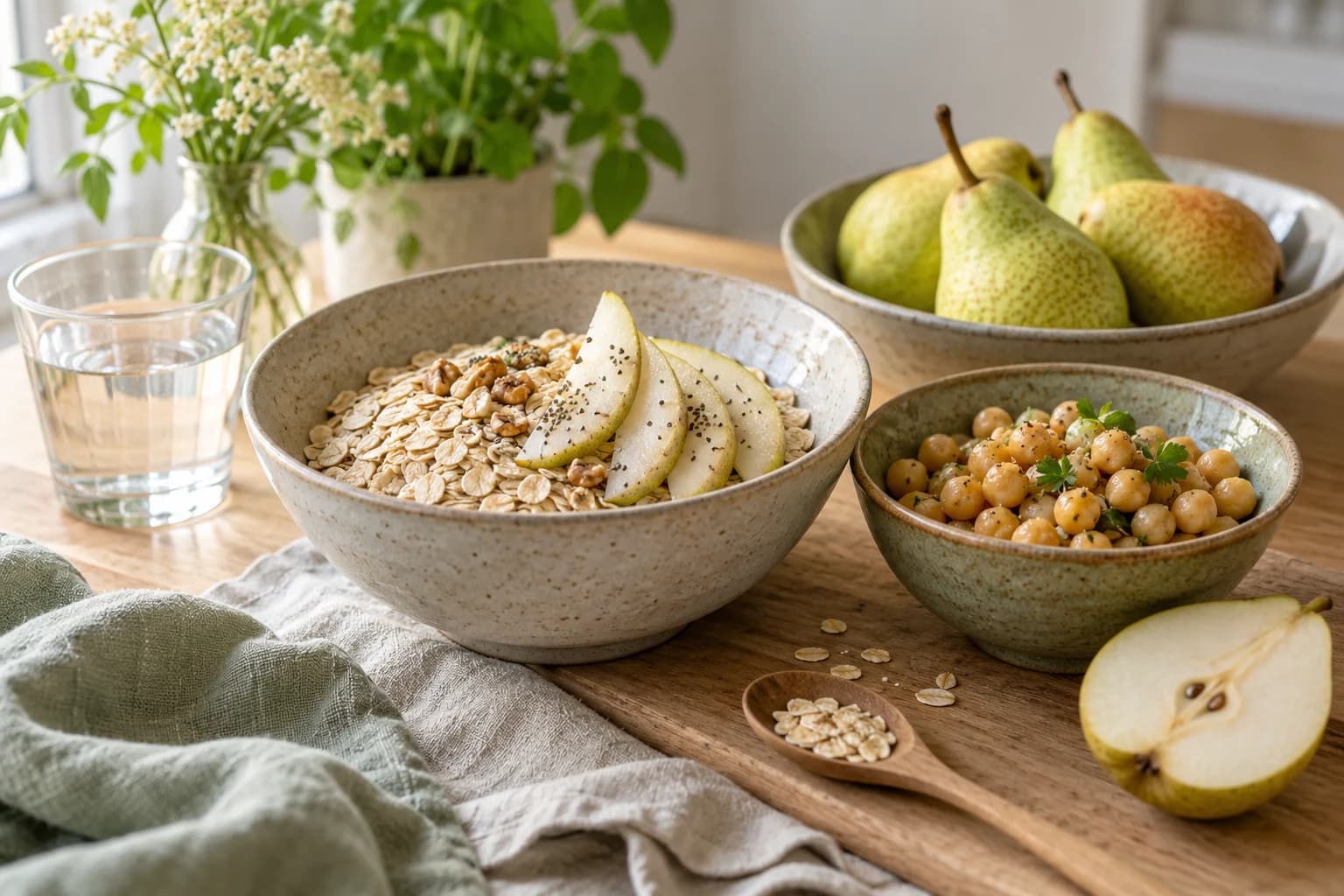
The oats, beans and fruit in the conceptual image represent everyday nutrition; they do not depict the trial treatment. A food containing fiber is not automatically equivalent to the tested amount and type of inulin. Avoid converting the trial result into a promise about a bowl of breakfast or a generic product. If you record nutrition, name what was actually consumed and keep its source and portion clear. An ingredient's category does not establish its clinical effect.
Separate a care plan from a completion record
A hypothetical person may have a professionally agreed exercise routine and a separate nutrition plan. Keeping both visible can make organization easier, but a completion percentage cannot determine why pain changed. Note practical barriers when reviewing the plan and discuss symptom changes with the appropriate professional. Do not interpret a difficult session as a lack of commitment. The right response may involve reassessing suitability, rather than adding effort or chasing a supplement target.
Where Connefi fits
Connefi can organize meals, supplement timing and suitable workout plans, with history reflecting saved entries. It does not diagnose osteoarthritis, measure cartilage, prescribe inulin or provide a validated pain-treatment program. PERI's reviewed suggestions remain general fitness support within the available context. The Nutrition, Training and Methods pages explain the difference between organizing a routine and establishing a clinical outcome. Use those records to understand what was planned, without treating them as a substitute for care.
Keep the result as specific as the study
The promising question is whether a particular prebiotic can contribute to care for a particular condition. It is not whether fiber has become a universal pain remedy. Preserve the population, duration and comparison when discussing the finding. A useful next step is an informed conversation about suitability, followed by a clear plan that respects the person's needs.
Research & sources
Research provides context; it does not validate Connefi’s exact scores or establish individual outcomes.